The Blackout
Table of Contents
The Portuguese call it the Apagão. “Apagar” means to turn off, to extinguish. “Apagão” is the big one. The great turning off.
On April 28th 2025, at around 12:33 local time, the entire Iberian Peninsula lost power. Spain, Portugal, parts of southern France. Gone. A cascading failure in the Spanish grid knocked out roughly 15 gigawatts of generation in seconds. The whole system collapsed within 20 seconds.
How it played out
I was at home in Alcabideche when it happened. The power just cut. No flicker, no warning. Just off.
Out of sheer coincidence I happened to be on the phone with Margarida, who was at work, when it went out. That meant we knew right away that it hit both places, and they’re far apart. So before most people had even figured out it wasn’t just their building, I had already pieced together that this was something bigger.
I still had some mobile data in those first minutes, so I jumped into the Facebook group PortugalSvenskar and posted about it. That ended up giving me enough visibility that Swedish state television reached out wanting an interview. I declined. I didn’t feel like I represented the typical Swedish expat experience here, being that I live with Portuguese natives and wasn’t exactly stranded at a resort somewhere. Also, if I’m being honest, I just didn’t feel like being on national television.
After that, coverage dropped completely. No data, no calls, nothing. The phone was a brick. You’re just sitting there in silence with no information, no idea how long it’ll last. The first real bits of info came from neighbors talking to each other. Old school.
Hours passed. Power started coming back in patches across the country throughout the evening. Portugal actually restored faster than Spain, with most of the grid back within about 12 hours. But those first hours of total silence were something else.
The Lidl expedition
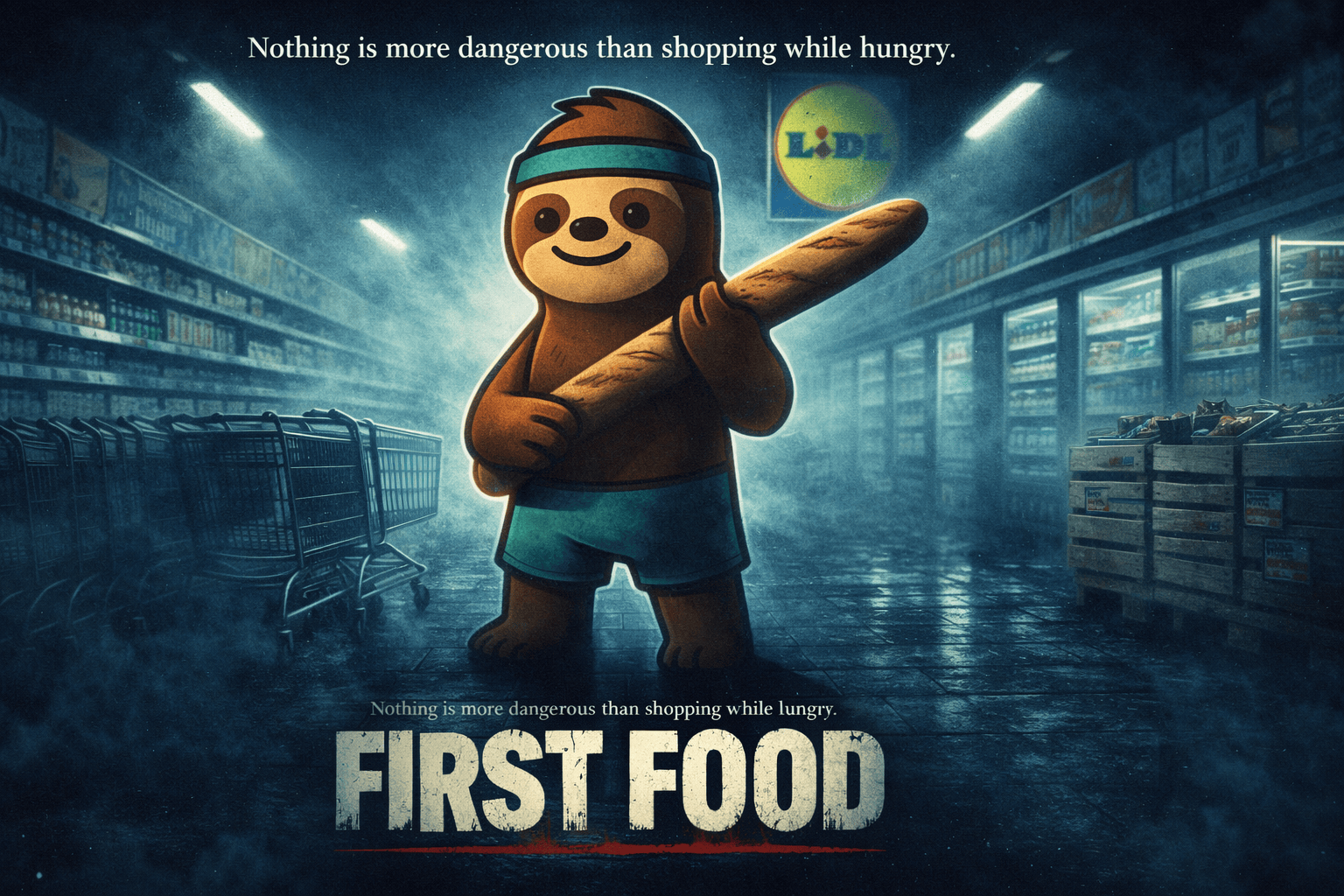
Eventually we decided to go to Lidl to grab some essentials. What we found was eye-opening.
The store was running on backup power, but the generators only supplied the non-refrigerated sections. The refrigerated aisles were blocked off with plastic sheeting. People were peeking behind the plastic, reaching in, grabbing what they could. The staff were trying to stop people from buying products they technically weren’t allowed to sell since the cold chain was broken. Some people just went to the self-checkout to bypass the staff entirely.
The bread aisle was completely empty. And I mean NOTHING. The only thing left across the whole aisle was three lone bone-dry wafers with dark chocolate. That’s it.
People had taken all the wine. All the bottled water except the most expensive flavored stuff that nobody ever buys. The long-storage shelves were picked through too. Everything gone except the crappy tuna that nobody wants even on a good day.
One store. A few hours. That’s all it took.
The aftermath
The power came back. Life went on. But something had shifted in my head.
I immediately placed an order for solar-powered power banks, a HAM radio, a 10 liter water bag with a dispenser, and a handful of other things that would probably get me labeled a prepper if I listed them all.
I don’t think I’m overreacting. We saw how fast the shelves emptied. We saw how useless our phones were without cell towers. We saw how a single point of failure in a power grid hundreds of kilometers away can turn your afternoon into a survival exercise.
What you should actually have at home
Growing up in Sweden, every household used to receive a government pamphlet called Om krisen eller kriget kommer (“If crisis or war comes”). It was originally a Cold War thing, discontinued in 1991, then brought back in 2018 because the world didn’t get less complicated. The 2024 edition recommends that every household should be able to manage on their own for at least a week.
After the Apagão I went through that checklist properly for the first time. Here’s what I’d consider the essentials:
Water and food
- Bottled water, at least 3 liters per person per day. Freeze some of it. Frozen water doubles as cooling for your fridge if the power goes out, and becomes drinking water as it thaws.
- Canned goods, dried pasta, rice, crackers, energy bars. Stuff that doesn’t need a fridge or a stove.
- A manual can opener. Sounds obvious until you’re standing there with a can of beans and no way to open it.
Light and power
- Flashlights with spare batteries. At least one per room you actually use.
- Candles and matches or a lighter.
- A solar-powered power bank or two. Your phone is your lifeline for information if the cell towers come back before the grid does.
Health
- Basic first aid kit. Bandages, antiseptic, tweezers, scissors.
- Over-the-counter medications: painkillers, anti-diarrhea, antihistamines, any prescription meds you rely on with a buffer supply.
- A thermometer.
Communication and information
- A battery-powered or hand-crank radio. When the internet is gone and your phone is dead, FM radio is the only thing still broadcasting.
- Cash in small bills. Card terminals don’t work without power.
- Important documents in a folder you can grab: ID, insurance, medical info.
Warmth
- Blankets. More than you think you need.
- Warm clothing layers accessible even in summer. Buildings cool down fast.
None of this is paranoid. It’s just practical. The Apagão lasted less than a day and people were already fighting over bread and water at the supermarket. A week-long disruption and most households would be in real trouble.
It doesn’t take a disaster movie scenario. It just takes one bad afternoon to realize how thin the line is between normal life and “we should have had a plan.”